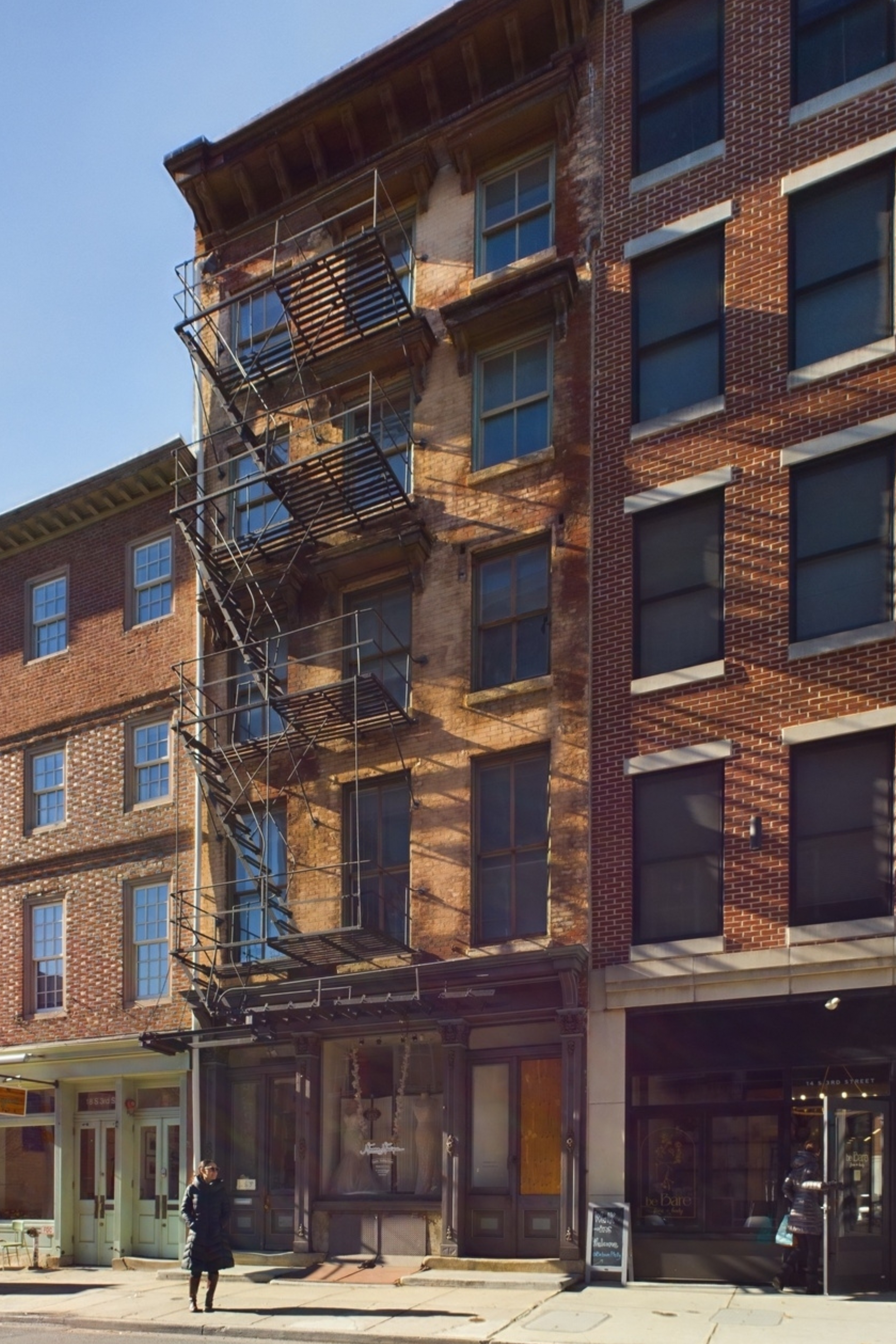
Limited Common Elements in Pennsylvania Condominiums
What Boards and Owners Need to Know

In condominium communities across Pennsylvania, one of the most common sources of confusion involves Limited Common Elements (LCEs) — particularly when it comes to maintenance responsibility and liability.
Balconies. Patios. Assigned parking spaces. Storage lockers.
Who owns them?
Who maintains them?
Who is liable if something goes wrong?
Understanding how Limited Common Elements function under Pennsylvania law is essential for both condo boards and unit owners.
What Is a Limited Common Element?
Under the Pennsylvania Uniform Condominium Act (UCA), “common elements” are defined as all portions of the condominium other than the individual units themselves. A Limited Common Element is a portion of those common elements that is allocated for the exclusive use of one or more — but fewer than all — unit owners.
In practical terms:
- The association collectively owns the area.
- Only specific unit owner(s) have the right to use it.
Common examples include:
- Balconies and patios
- Porches
- Assigned parking spaces
- Storage areas
- Roof decks attached to specific units
Key Legal Framework Under Pennsylvania Law
1. The Declaration Must Identify Limited Common Elements
Section 3205 of the UCA requires the condominium declaration to:
- Describe any Limited Common Elements
- Explain how expenses related to them will be assessed
Section 3209(a) further requires that the declaration specify which unit(s) each LCE is allocated to.
Additionally, Section 3210 requires recorded plats and plans to reflect the location and dimensions of LCEs.
This means LCEs are not informal designations — they must be formally documented in the governing documents.
2. Limited Common Elements Cannot Be Reassigned Arbitrarily
Once allocated, an LCE cannot be reassigned without the consent of the affected unit owner(s).
Reallocation requires:
- A recorded assignment, or
- A formal amendment to the declaration executed by the relevant parties.
Boards cannot simply “move” or reassign a Limited Common Element.
Who Maintains a Limited Common Element?
This is where confusion often arises. Under 68 Pa. C.S. § 3307(a), the association is generally responsible for the maintenance, repair, and replacement of common elements — unless the declaration shifts that duty.
Because LCEs are technically common elements, ownership rests collectively with the association.
However:
The declaration and bylaws control who pays and who performs maintenance.
Many condominium documents shift:
- Routine maintenance
- Repair costs
- Replacement expenses to the unit owner who benefits from exclusive use.
This means two similar communities could handle the same balcony repair very differently depending on how their governing documents are written.
Expense Allocation: Common Expense or Owner Responsibility?
The governing documents should clearly address:
- Whether LCE maintenance is a common expense shared by all
- Or assessed solely to the allocated unit owner
- Whether special assessments can be levied back to the benefiting owner
Ambiguity in this area often leads to disputes between owners and boards.
Access and Damage Responsibility
Pennsylvania law also provides that unit owners must allow the association reasonable access through their unit when necessary to maintain common elements.
If damage occurs during that access:
- The party responsible for the damage must repair it promptly
- Liability depends on fault — whether the association or unit owner caused the issue
This creates a framework for resolving disputes when work must pass through private units.
Liability Exposure: Association vs. Unit Owner
When the Association May Be Liable
If the governing documents assign maintenance responsibility for an LCE to the association, failure to properly inspect, maintain, or repair that element may expose the association to liability.
Examples include:
- Balcony structural failure
- Unsafe railings
- Hazardous conditions in assigned parking areas
Even if the area is for exclusive use, the association cannot avoid liability if it retained responsibility under the declaration.
When the Unit Owner May Be Liable
If the declaration shifts maintenance responsibility to the unit owner, that owner may be liable for:
- Failing to maintain the LCE in a safe condition
- Damage caused by neglect or misuse
- Creating unsafe conditions (e.g., overloading a balcony)
- Damage to other units or common elements originating from the LCE
In some cases, the association may perform repairs and assess the cost back to the unit owner if the governing documents allow.
Why This Matters for Boards
Limited Common Elements often create gray areas in:
- Insurance claims
- Reserve planning
- Maintenance scheduling
- Budgeting
- Owner disputes
Without clear interpretation and consistent enforcement of the governing documents, associations may unintentionally expose themselves to liability or create financial inequity among owners.
At PhillyLiving Management, we work closely with boards to:
- Prepare meeting notices, agendas, and documentation
- Track board decisions and follow-through
- Manage owner communications and enforcement notices
- Coordinate with legal counsel when formal amendments or legal review are required
- Maintain proper records and compliance documentation
- Implement Board-approved policies consistently
You can learn more about how we help by visiting our Services page or reach out to set up a meeting to see how we can support you and your needs!
Final Takeaway
Limited Common Elements are:
- Owned collectively
- Used exclusively
- Governed specifically by your declaration
The key to avoiding conflict and liability is clarity — in your governing documents, your maintenance planning, and your communication with owners.
If your association is unsure how Limited Common Elements are allocated or maintained within your community, it may be time for a proactive review. If your association would benefit from experienced support in navigating maintenance, responsibility, and risk considerations within your community, the team at PhillyLiving Management Group is here to help.