Philadelphia Rental Market Trends for 2026
What Landlords Should Expect For The Rest Of 2026

If you own rental property—or are considering investing—in Philadelphia, understanding current market conditions is essential to making informed decisions. While the rapid rent increases seen over the past several years have begun to stabilize, Philadelphia remains one of the strongest rental markets on the East Coast. A growing population of renters, diverse employment opportunities, and ongoing neighborhood redevelopment create opportunities for landlords and real estate investors.
The rental landscape is evolving, however. Tenants have more choices, operating costs continue to rise, and expectations for property quality and responsiveness have never been higher. Property owners who stay informed and adapt to these changes are better positioned to maximize occupancy, reduce turnover, and protect their investment.
Here's what landlords should know about the Philadelphia rental market in 2026.
Philadelphia Remains a Strong Rental Market
Philadelphia has long been attractive to renters because it offers many of the advantages of larger East Coast cities while maintaining a lower overall cost of living than cities like New York, Boston, or Washington, D.C.
The city's rental demand continues to be fueled by several factors, including:
- A strong healthcare industry
- Major universities and colleges
- A growing technology sector
- Young professionals relocating to the city
- Residents delaying homeownership due to higher mortgage rates
While rent growth has slowed compared to the dramatic increases experienced after the pandemic, demand remains healthy across many neighborhoods. Well-maintained properties that are competitively priced continue to lease quickly.
For landlords, this means the market remains favorable—but success depends more on strategy than simply listing a property and waiting for applications.
Philadelphia has recently been a strong pull for those looking to move out of NYC.
Rental Prices Have Stabilized
One of the biggest shifts entering 2026 is the moderation of rental price growth.
Instead of double-digit annual increases, landlords are seeing a more balanced market where pricing must align with neighborhood demand, property condition, and available inventory.
This stabilization benefits both renters and property owners. Tenants have more options, while landlords who price properties appropriately continue attracting qualified applicants without experiencing extended vacancies.
Rather than asking, "How high can I price my rental?" many successful landlords are asking, "What price will generate the strongest long-term return?" To help our clients get the most out of their properties, we are here to make sure that your return is strong. We engage in several ways to accomplish this by striking a balanced approach.
Finding that balance often results in:
- Shorter vacancy periods
- Better tenant quality
- Higher lease renewal rates
- Lower turnover expenses
Competitive pricing remains one of the most important factors influencing rental performance in today's market. Philadelphia's landscape changes very quickly, so PhillyLiving helps our clients stay on top of those fluctuations.
Neighborhoods Driving Philadelphia's Rental Demand
Not every neighborhood performs the same. Philadelphia's diverse communities attract different types of renters, making local market knowledge an important advantage.
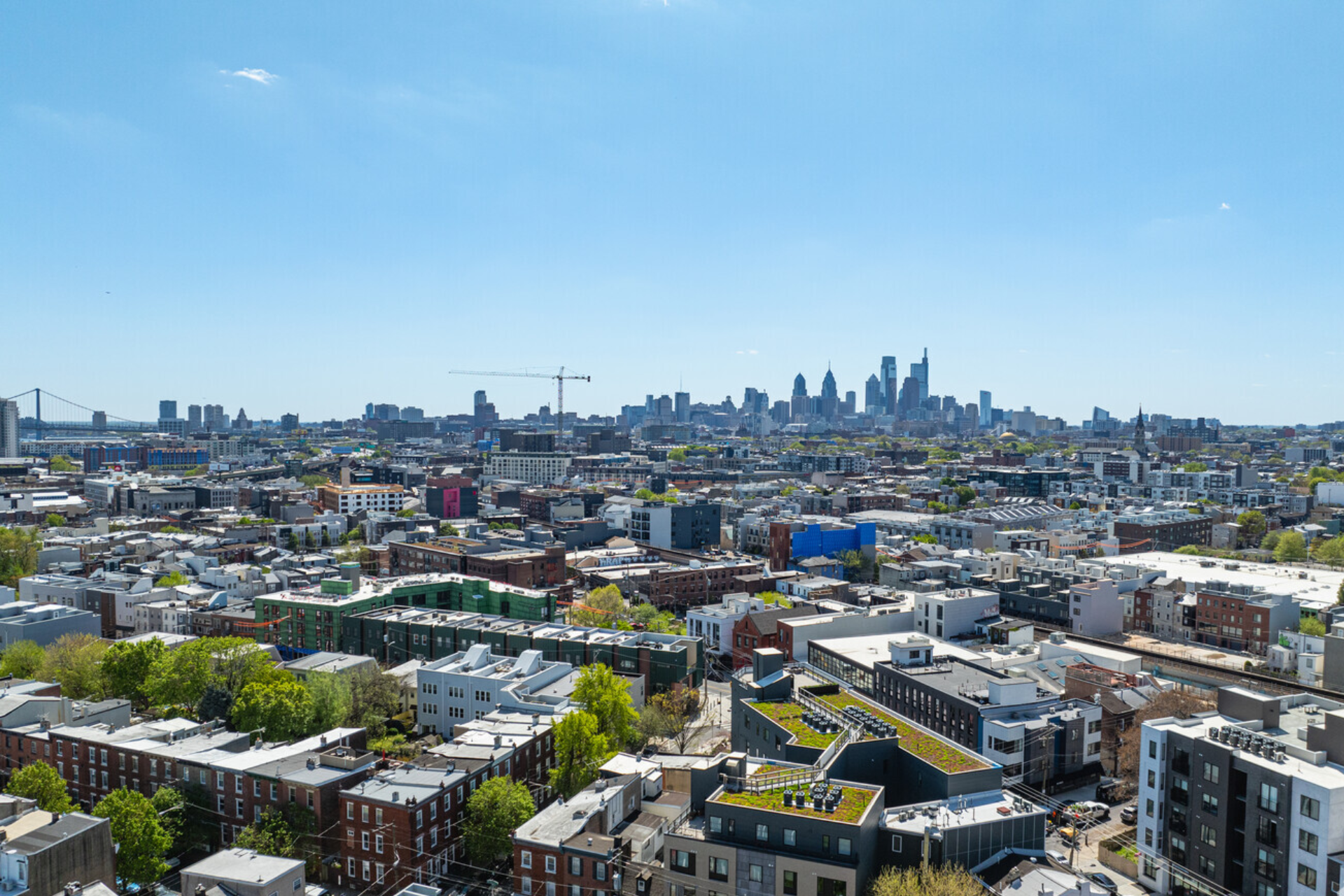
Northern Liberties
Northern Liberties continues to attract young professionals seeking walkable neighborhoods with restaurants, entertainment, and convenient access to Center City.
Luxury apartments, renovated row homes, and mixed-use developments continue to generate strong rental demand.
Fishtown
Fishtown remains one of Philadelphia's most desirable neighborhoods thanks to its vibrant dining scene, local businesses, nightlife, and ongoing redevelopment.
Renters continue to value its unique character while investors appreciate its long-term growth potential.
University City
Home to several major universities and healthcare institutions, University City benefits from a steady stream of students, faculty, researchers, and healthcare professionals.
This creates consistent rental demand throughout the year and makes vacancy rates relatively stable.
Center City
Center City continues to appeal to professionals who prioritize convenience, public transportation, and access to Philadelphia's business district.
Luxury apartments and professionally managed buildings remain especially competitive.
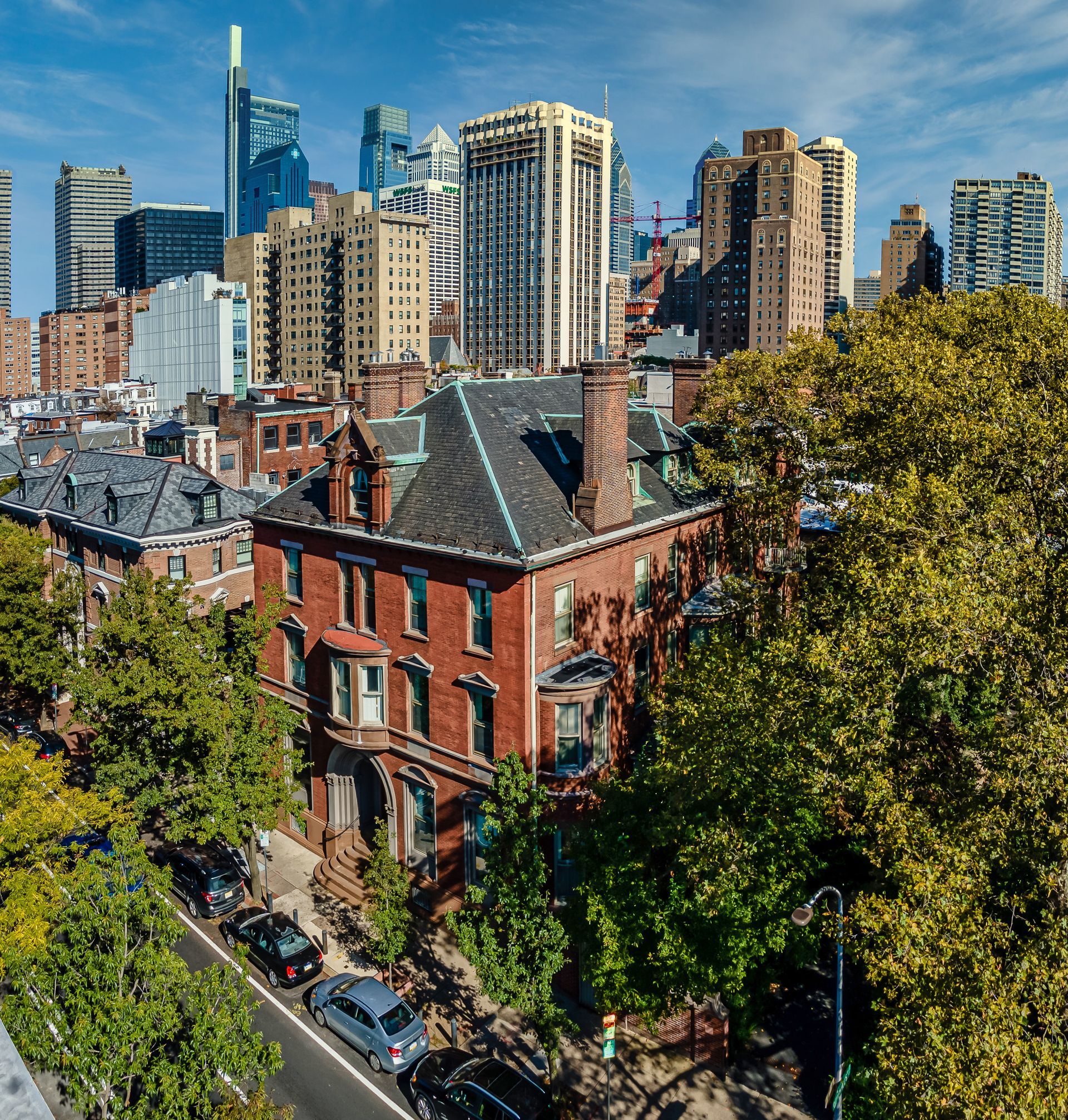
Rittenhouse Square
Rittenhouse Square continues attracting renters looking for upscale, neighborhood charm, and convenient access to employment centers.
Many investors view Rittenhouse Square as an opportunity to purchase properties that offer strong long-term rental potential.
What Today's Renters Are Looking For
Tenant expectations continue evolving beyond simply finding an affordable apartment.
Many renters now prioritize convenience, technology, and responsiveness alongside location.
Some of today's most sought-after features include:
- Online rent payment options
- Fast maintenance response
- Updated kitchens and bathrooms
- In-unit laundry
- Pet-friendly policies
- Smart home technology
- Outdoor spaces
- Reliable communication from property management
Landlords who invest in improving the tenant experience often enjoy longer lease terms and reduced turnover.
Challenges Philadelphia Landlords Face in 2026
Although Philadelphia remains a healthy rental market, property ownership isn't without challenges.
Increasing Operating Costs
Maintenance expenses, insurance premiums, contractor costs, and property taxes have all increased over the past several years.
Protecting profitability requires careful budgeting and preventative maintenance planning.
More Rental Competition
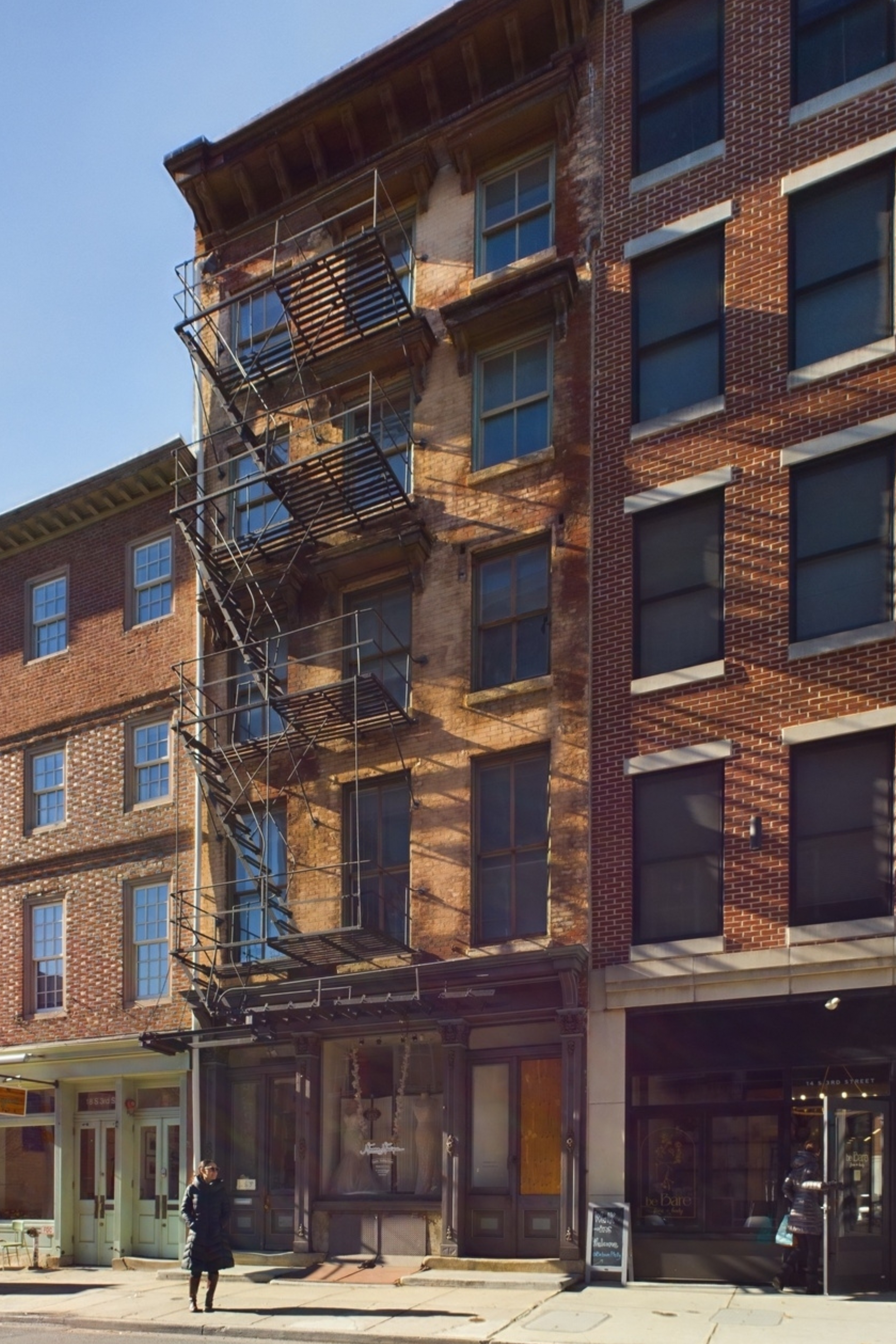
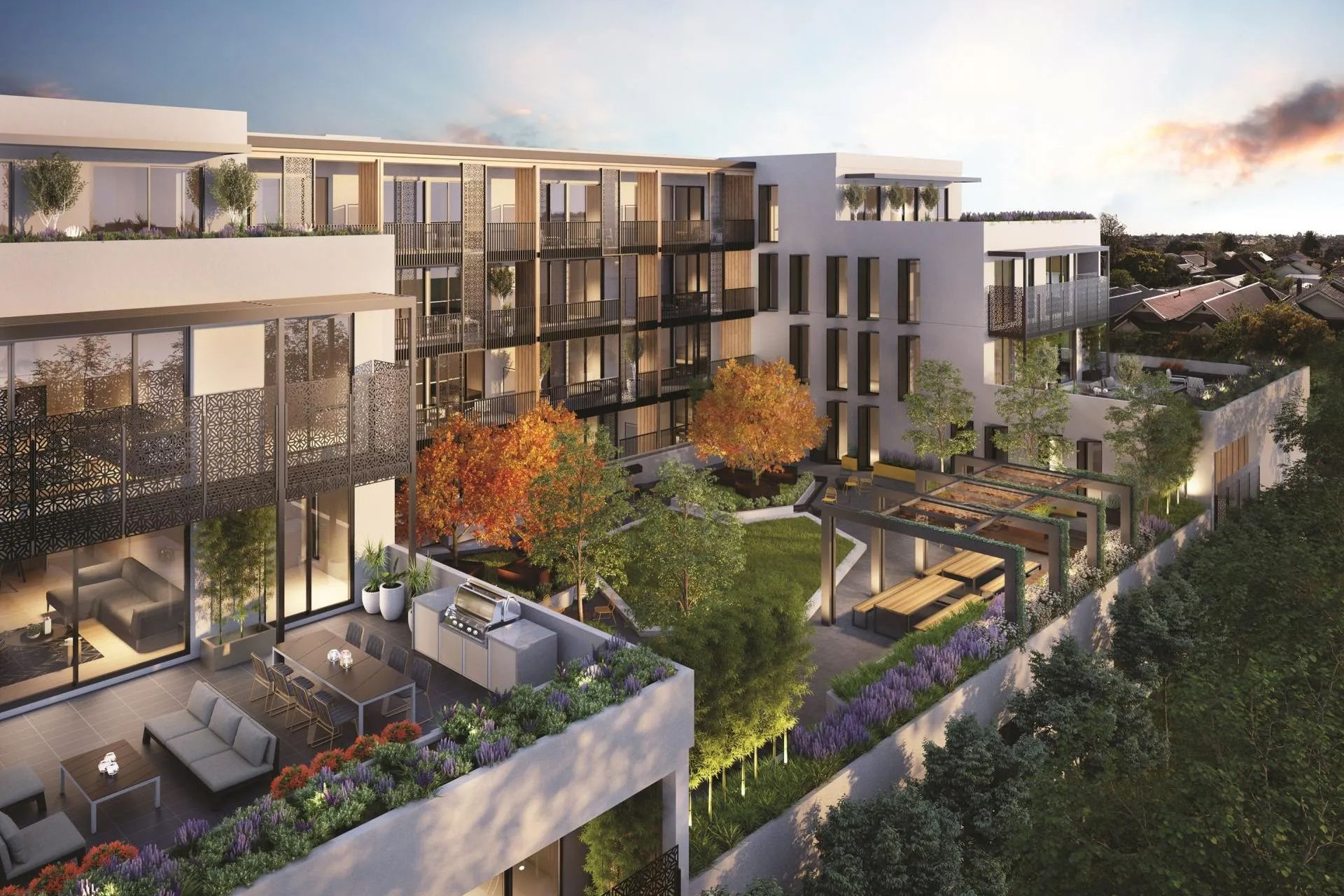
New apartment developments continue entering the market, giving renters additional choices. As we talked about earlier, there is a lot of out of area renters coming to the Philly market. This is a good and challenging thing. Landlords need to stay competitive or face increased struggles in maintaining occupancy.
Older properties that have not been updated may struggle to compete unless they offer exceptional value or desirable locations.
Changing Regulations
Philadelphia landlords must stay current with local licensing requirements, lead certification regulations, fair housing laws, and rental compliance standards. We recently wrote an article highlighting these challenges and how we can help.
Keeping up with changing regulations helps avoid costly fines and legal complications.
How Professional Property Management Helps Landlords Succeed
As the rental market becomes more competitive, many landlords are discovering the value of professional property management.
An experienced property management company can help owners maximize returns while reducing the day-to-day responsibilities of managing rental properties.
Professional management services often include:
- Strategic rental pricing
- Property marketing
- Professional photography
- Tenant screening
- Lease preparation
- Rent collection
- Maintenance coordination
- Financial reporting
- Regulatory compliance
- Tenant communication
These services not only save owners time but can also improve occupancy rates and reduce costly turnover.
Why Local Market Knowledge Matters
Every Philadelphia neighborhood has its own rental dynamics.
A pricing strategy that works in Northern Liberties may not produce the same results in Rittenhouse Square or University City.
Understanding neighborhood demand, seasonal leasing trends, local competition, and tenant demographics allows property managers to make informed recommendations that help maximize rental performance.
Local expertise often makes the difference between a property that sits vacant and one that leases quickly to qualified tenants.
Looking Ahead: Philadelphia's Rental Market Outlook
Looking toward the remainder of 2026, Philadelphia's rental market is expected to remain healthy despite slower rent growth than in previous years.
Demand continues to be supported by the city's universities, hospitals, expanding employment opportunities, and continued redevelopment across many neighborhoods.
For landlords, the keys to success will be:
- Pricing properties competitively
- Maintaining properties proactively
- Responding quickly to tenant needs
- Investing in desirable upgrades
- Staying compliant with local regulations
Property owners who adapt to changing market conditions will be well-positioned to maintain strong occupancy and long-term profitability.
Partner with PhillyLiving Management Group
Whether you own a single rental home, a multifamily property, or a growing investment portfolio, staying ahead of Philadelphia's rental market trends is essential for long-term success.
At PhillyLiving Management Group, we help property owners navigate changing market conditions with expert local knowledge, responsive property management services, strategic marketing, tenant screening, maintenance coordination, and transparent communication.
If you're looking to maximize your rental property's performance while reducing the stress of day-to-day management, our team is here to help.
Contact PhillyLiving Management Group today to learn how our professional property management services can help you achieve your investment goals in Philadelphia.