7 Rental Property Management Mistakes Philadelphia Landlords Should Avoid
From costly vacancies to maintenance mistakes, discover what Philadelphia landlords should avoid to protect their investment.

Owning rental property in Philadelphia can be a valuable long-term investment, but generating a return involves more than collecting rent each month. Pricing, tenant selection, maintenance, vacancies, and local requirements can all affect how well a rental property performs. PhillyLiving Management Group has helped property managers for over 30 years in this great city. Over those years, we have learned a thing or two.
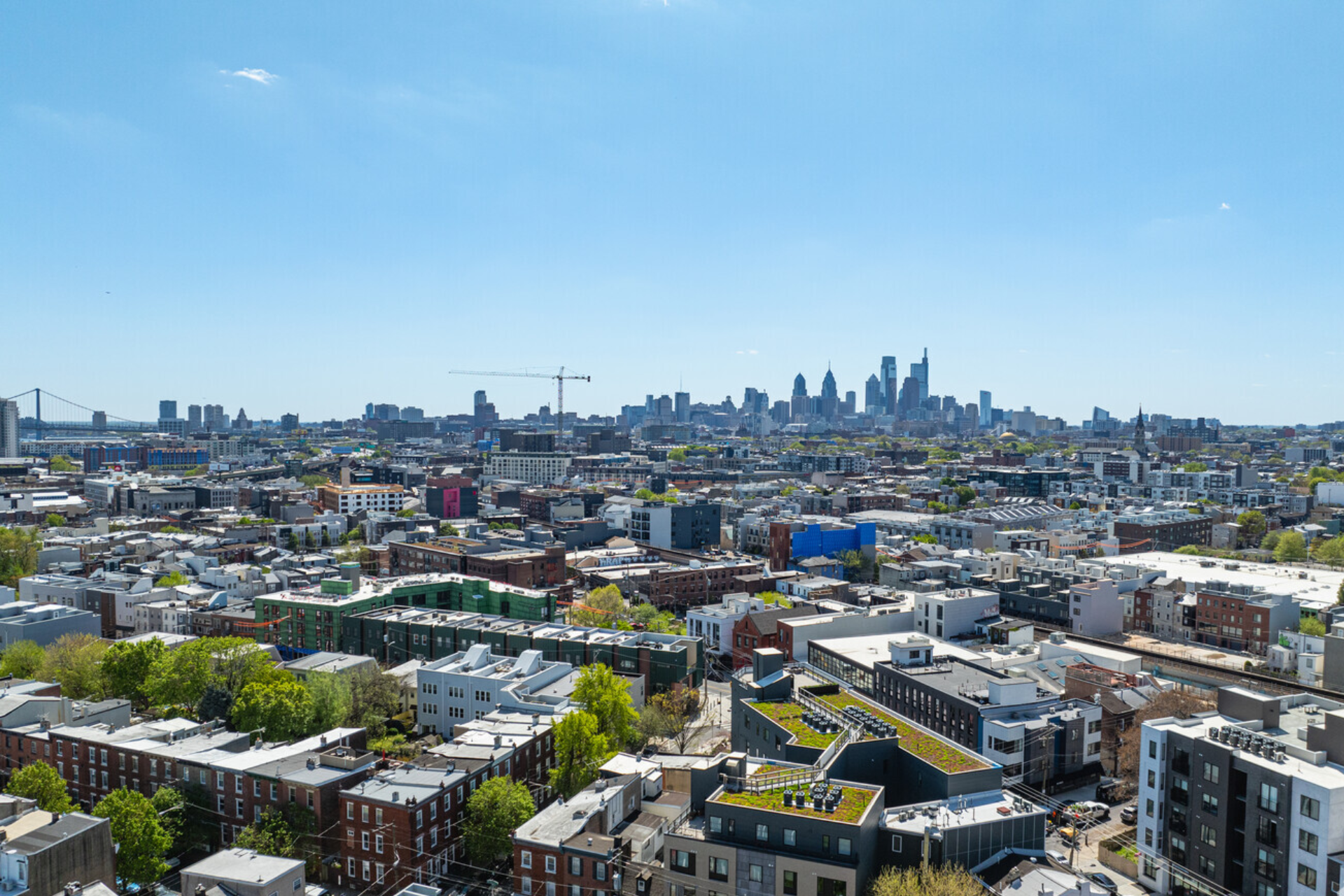
And in a city as diverse as Philadelphia, what works for one property may not work for another. A luxury condo in Rittenhouse Square requires a different approach than a rowhome in South Philadelphia or an apartment near University City.
Whether you own one rental property or an expanding portfolio, avoiding these common Philadelphia rental property management mistakes can help protect your investment and improve its long-term performance.
1. Setting the Rent Based on What You Want to Earn
Every property owner wants to maximize rental income. But there is an important difference between maximizing the monthly rent and maximizing the property's overall return.
One of the most common mistakes landlords make is setting rent based on their mortgage, expenses, or desired profit instead of what renters are willing to pay.
The Philadelphia rental market can change significantly from neighborhood to neighborhood—and sometimes from one block to another.
A property's rental value can depend on factors such as:
- Location
- Property condition
- Number of bedrooms and bathrooms
- Parking availability
- Outdoor space
- In-unit laundry
- Building amenities
- Proximity to public transportation
- Current competing rental inventory
Before listing a property, owners should evaluate comparable rentals and current market conditions. An extra $100 in monthly rent may sound attractive, but not if holding out for that amount leaves the property vacant for several additional weeks.
2. Allowing a Property to Sit Vacant While Holding Out for Higher Rent
Vacancy is one of the largest expenses rental property owners face, yet it can easily be overlooked.
Consider a property that could rent quickly for $2,500 per month but is listed at $2,700. Holding out for an additional $200 sounds like a way to generate another $2,400 annually.
But if the higher price leaves the property vacant for a month, the owner has already lost $2,500 in potential rent.
That's why effective rental pricing isn't necessarily about finding the highest possible number. It's about finding the right balance between rental rate and occupancy.
A strong Philadelphia property management strategy considers both.
3. Treating Tenant Screening as a Formality
Getting a property leased quickly is important, but finding the right tenant is even more important.
A thorough and consistently applied screening process can help property owners make better leasing decisions and reduce avoidable problems later.
Depending on applicable laws and screening policies, the process may include reviewing:
- Income and employment
- Credit history
- Rental history
- References
- Background information
- Ability to meet the terms of the lease
Owners also need to ensure that their screening criteria and procedures comply with applicable federal, state, and Philadelphia requirements.
The goal isn't simply to fill the vacancy. It's to establish a reliable landlord-tenant relationship from the beginning.
4. Waiting Until Something Breaks to Handle Maintenance
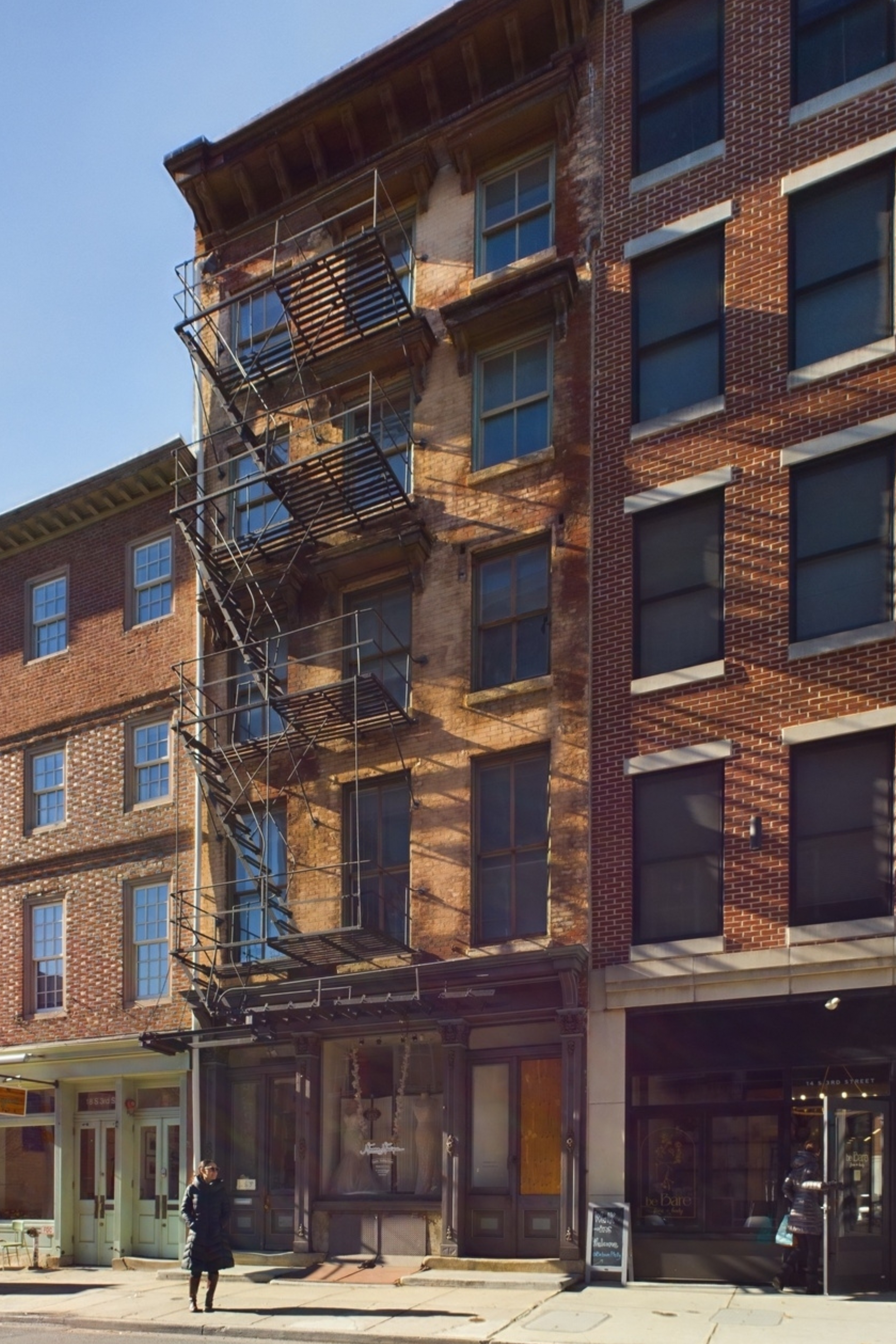
Philadelphia has an incredibly diverse housing stock. Depending on the neighborhood, an investor could own anything from a historic rowhome to a newly constructed apartment.
Older Philadelphia properties, in particular, can make preventative maintenance especially important.
Small problems tend to become expensive problems when they're ignored.
A minor plumbing leak can become water damage. A small roof issue can eventually affect ceilings and walls. Deferred HVAC maintenance can result in an emergency service call during the hottest or coldest part of the year.
Preventative property maintenance can include:
- HVAC inspections and servicing
- Roof and gutter inspections
- Plumbing checks
- Exterior maintenance
- Seasonal property inspections
- Smoke and carbon monoxide detector checks
- Addressing minor tenant maintenance requests before they become larger issues
Responsive maintenance also matters to tenants. Renters who feel that their concerns are addressed professionally may be more likely to take care of the property and consider renewing their lease.
5. Underestimating Philadelphia's Rental Requirements
Owning a rental property in Philadelphia comes with responsibilities beyond finding a tenant and collecting rent.
Philadelphia requires a Rental License for properties rented to tenants, and licenses must be renewed annually. The City also ties licensing to requirements such as tax and code compliance. Owners who live outside Philadelphia must identify a managing agent with a Philadelphia mailing address for purposes of interacting with Licenses and Inspections.
Lead safety is another important consideration. Philadelphia requires landlords to follow lead-safety certification rules when executing new or renewed leases and obtaining or renewing applicable rental licenses.
Requirements can change, and individual properties can present different circumstances. Property owners should consult current City guidance and qualified legal or real estate professionals when necessary.
Failing to understand the rules before leasing a property can lead to delays, added costs, and unnecessary complications.
6. Managing Every Philadelphia Neighborhood the Same Way
Philadelphia isn't one rental market.
It is a collection of distinct neighborhoods with different property types, renter demographics, price points, amenities, and leasing patterns.
Consider just a few examples.
South Philadelphia
South Philadelphia includes everything from established residential blocks to rapidly changing areas with renovated rowhomes and new construction. Owners should understand how renter expectations differ between individual South Philly neighborhoods.
If you own property in the area, learn more about PhillyLiving's South Philadelphia property management services.
Center City
Center City renters may place greater emphasis on walkability, building amenities, convenience, security, and proximity to employment. Condo owners may also have building or association requirements to navigate.
Learn more about Center City property management and the considerations involved in managing properties in Philadelphia's urban core.
Rittenhouse Square
Luxury properties around Rittenhouse Square can come with higher tenant expectations surrounding property condition, responsiveness, and overall service.
University City
Properties near major universities and healthcare institutions can experience leasing patterns influenced by academic schedules, students, faculty, healthcare workers, and other professionals. University City is a hotbed of potential opportunities. Schools in this area are always looking for local properties to house their students.
Fishtown and Northern Liberties
Fishtown and Northern Liberties offer their own mix of historic properties, new construction, apartments, and townhomes. Renters may prioritize walkability, restaurants, entertainment, outdoor space, and access to transit.
Fairmount
Fairmount's residential character, cultural attractions, historic housing, and proximity to Center City create yet another tenant profile.
Understanding these differences is why local Philadelphia property management expertise matters. Pricing, marketing, maintenance, and leasing strategies should reflect the actual neighborhood rather than relying on a citywide template.
7. Trying to Do Everything Yourself
Self-managing a rental property can work for some owners, particularly those with one property, plenty of available time, and experience handling tenants and maintenance.
But as a portfolio grows, so does the workload.
Rental property management can involve:
- Answering inquiries
- Scheduling showings
- Screening applicants
- Preparing leases
- Collecting rent
- Coordinating repairs
- Responding to tenant concerns
- Tracking income and expenses
- Managing renewals
- Monitoring local requirements
The question isn't simply whether you can do these things yourself.
It's whether managing them yourself is the best use of your time—and whether you're doing them as effectively as possible.
For investors trying to grow a portfolio, spending hours coordinating a plumbing repair or following up on rent may take time away from finding the next investment opportunity.
When Does Hiring a Philadelphia Property Manager Make Sense?
There isn't a specific number of properties where every landlord suddenly needs professional management.
Instead, consider how the demands of ownership fit your circumstances.
Hiring a property management company may make sense when:
- You don't live near your rental property
- You're spending too much time managing tenant issues
- You own multiple units or properties
- Vacancies are becoming difficult to manage
- Maintenance coordination is consuming your time
- You're unsure about Philadelphia rental requirements
- You want professional financial reporting
- You're planning to expand your investment portfolio
Professional management can also provide something that's difficult to quantify: time.
For some owners, the value of property management isn't simply reducing vacancies or coordinating repairs. It's being able to own rental real estate without having property management become another full-time job.
Protecting the Long-Term Value of Your Philadelphia Rental Property
Successful rental property ownership isn't built around a single lease or one year of rental income.
It's about maintaining an asset over time.
That means finding the right balance between competitive rent, quality tenants, responsible maintenance, expense management, compliance, and tenant retention.
Avoiding the mistakes above can put your property in a better position to produce consistent income while maintaining its long-term value.
At PhillyLiving Management Group, we work with rental property owners throughout Philadelphia, providing professional leasing, tenant management, maintenance coordination, financial reporting, and day-to-day property management.
Whether you own a rowhome in South Philadelphia, a condo in Center City, or investment properties across multiple Philadelphia neighborhoods, our goal is to make property ownership simpler while helping your investment perform at its best.
If managing your Philadelphia rental property is taking more time than you'd like, contact PhillyLiving Management Group to learn how professional property management can help.