Philadelphia Safe Healthy Homes Law: Landlord Guide | PhillyLiving
What rental property owners should understand about Philadelphia's new housing protections, maintenance responsibilities, and compliance requirements.
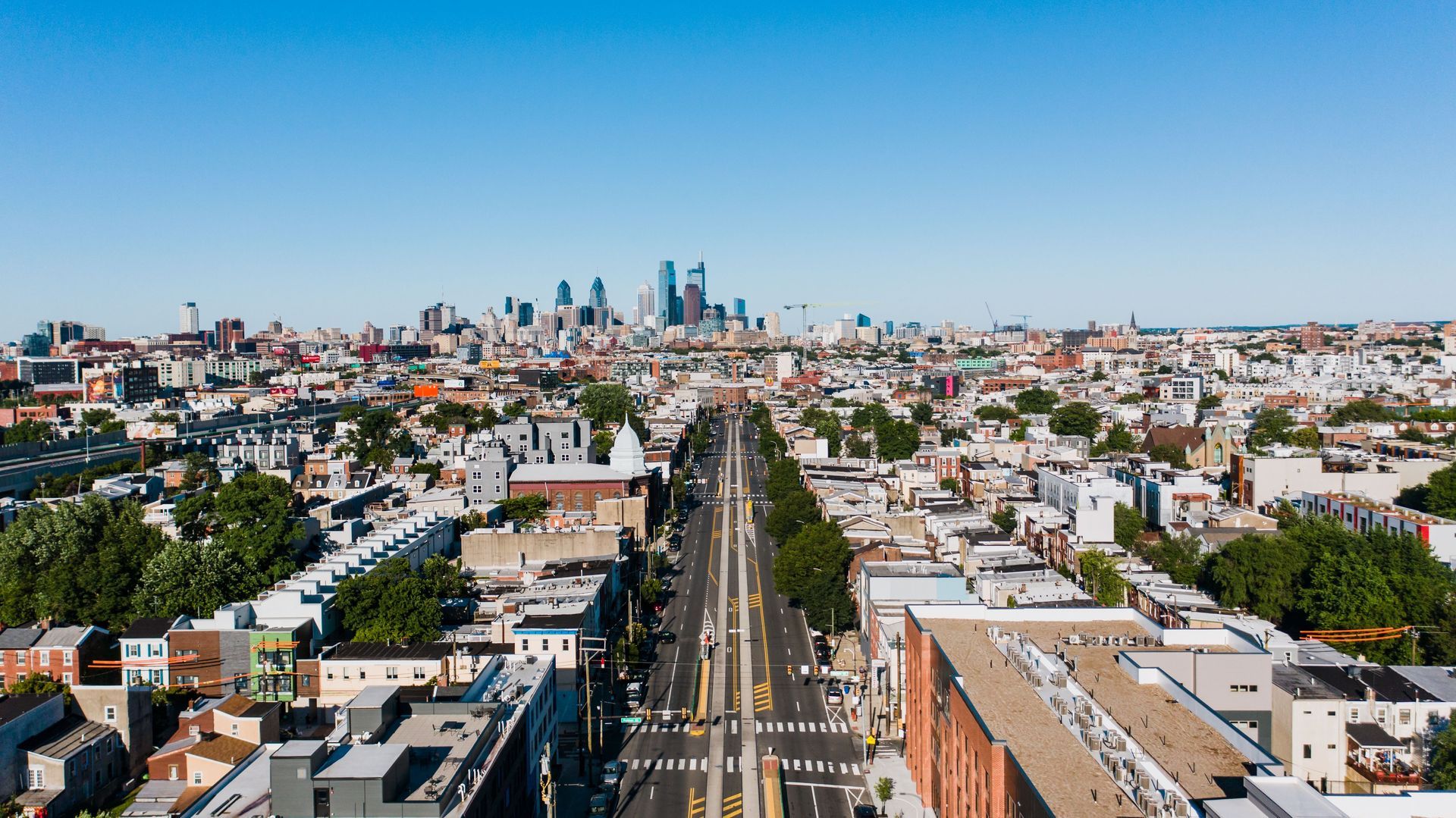
Owning rental property in Philadelphia comes with responsibilities that extend beyond finding tenants, collecting rent, and maintaining a profitable investment.
From rental licensing and property maintenance to tenant communication and housing safety, landlords must understand the regulations that affect how their properties are managed.
Now, Philadelphia rental property owners have another important development to prepare for.
The City's Safe Healthy Homes law, scheduled to take effect November 1, 2026, introduces additional protections for tenants and accountability measures for landlords.
Whether you own a single rental home in South Philadelphia, a multifamily property in University City, or several investment properties throughout the city, understanding these changes is an important part of protecting your investment.
At PhillyLiving Management Group, we believe informed property owners are better positioned to maintain successful rental properties, reduce avoidable risks, and provide a positive experience for their tenants.
Here's what Philadelphia landlords should know.
Key Takeaways
- Philadelphia's Safe Healthy Homes law is scheduled to take effect November 1, 2026.
- The legislation strengthens protections related to safe housing, tenant rights, property maintenance, and landlord accountability.
- Landlords should review how they receive, document, and respond to maintenance requests.
- Rental licensing, property inspections, and compliance documentation remain important responsibilities for Philadelphia property owners.
- Professional property management can help owners establish consistent maintenance procedures and stay organized as requirements change.
What Is Philadelphia's Safe Healthy Homes Law?
Philadelphia's Safe Healthy Homes legislation is intended to strengthen housing conditions and tenant protections throughout the city.
The legislation includes two related bills, Bill No. 250329-AA and Bill No. 250330-AA, which address property licensing and accountability, housing conditions, tenant rights, and enforcement.
The changes reflect a broader effort to ensure that Philadelphia residents have access to safe and habitable rental housing while establishing clearer expectations for landlords and property managers.
Among the areas addressed by the legislation are:
- Rental property maintenance and habitability
- Landlord accountability for housing conditions
- Tenant protections and rights
- Rental licensing and code enforcement
- Potential proactive property inspections
- Remedies when certain housing requirements are violated
For property owners, the important takeaway is that maintaining a rental property involves more than responding to problems when they become emergencies.
It requires an ongoing approach to property conditions, tenant communication, and regulatory compliance.
What Does the Safe Healthy Homes Law Mean for Philadelphia Landlords?
The legislation reinforces several responsibilities that landlords should already be incorporating into their rental property operations.
1. Maintaining Safe and Habitable Rental Properties
Philadelphia rental properties must meet applicable housing, building, fire, and property maintenance standards.
Under the new provisions, tenants have protections relating to conditions that materially affect the habitability of their homes.
These may involve concerns such as:
- Plumbing and water-related problems
- Heating and essential building systems
- Unsafe electrical conditions
- Structural or building safety concerns
- Moisture and conditions that may contribute to mold
- Lead-related hazards
- Other maintenance issues affecting health and safety
Not every maintenance request represents a legal habitability violation. However, property owners should understand the difference between routine repairs and conditions that may affect a tenant's ability to safely occupy a home.
A consistent maintenance process can help identify concerns early and reduce the likelihood of more serious problems.
2. Responding to Maintenance Requests in a Reasonably Timely Manner
One important aspect of the Safe Healthy Homes law is its emphasis on addressing maintenance and repair issues within a reasonable period.
What is considered reasonable depends on the circumstances, including the urgency of the problem and its potential impact on the health, safety, and well-being of the occupants.
For example, a minor cosmetic repair is different from a plumbing failure or a condition that presents an immediate safety concern.
Philadelphia landlords should have a reliable system for:
- Receiving tenant maintenance requests
- Evaluating the urgency of reported problems
- Scheduling qualified maintenance professionals
- Documenting repairs and communications
- Following up to confirm that issues have been addressed
These practices are important for maintaining the property and demonstrating how maintenance concerns were handled.
3. Understanding Tenant Protections
The Safe Healthy Homes legislation also addresses tenant rights and protections against certain forms of interference and retaliation.
The law recognizes tenants' rights to organize and advocate regarding housing conditions and other aspects of their tenancy.
It also addresses conduct that may interfere with a tenant's use and enjoyment of their home.
For landlords, this reinforces the importance of maintaining professional communication and following established procedures when responding to tenant concerns.
Owners should ensure that tenant communications, maintenance decisions, property access, and other management activities are handled consistently and in accordance with applicable law.
4. Reviewing Rental Licensing and Compliance
Philadelphia already requires landlords to obtain a Rental License for covered rental properties.
Rental Licenses are issued by the Department of Licenses and Inspections (L&I) and generally must be renewed annually.
Licensing requirements also involve considerations such as:
- Applicable City tax and code compliance
- Required lead safety documentation
- Accurate property and ownership information
- Appropriate business registrations
- Managing-agent information when required
The Safe Healthy Homes legislation also addresses property licensing and accountability, including authority related to a proactive inspection program.
Landlords should review current City guidance and confirm that their properties have the necessary documentation.
A rental property may be occupied and generating income, but that does not eliminate the owner's responsibility to maintain required licensing and comply with applicable regulations.
What Happens if a Philadelphia Rental Property Doesn't Meet Housing Requirements?
Property owners should understand that unresolved housing violations can create consequences beyond the cost of making repairs.
Depending on the circumstances, applicable law may provide for remedies involving rent abatement, damages, court orders, attorney's fees, or licensing consequences.
The Safe Healthy Homes provisions establish additional protections and remedies for qualifying violations.
However, the specific consequences depend on the facts, applicable legal requirements, and the nature of the violation.
This is one reason landlords should avoid allowing serious maintenance concerns to remain unresolved.
Maintaining records of tenant communications, inspections, maintenance work, and completed repairs can also be valuable when questions arise about how a problem was addressed.
For property owners who are uncertain about their legal obligations, consulting qualified legal counsel is important.
How Can Philadelphia Landlords Prepare for the Safe Healthy Homes Law?
With the November 1, 2026 effective date approaching, property owners should use this opportunity to review their existing management practices.
Here are five practical areas to evaluate.
1. Review the Condition of Your Rental Property
Consider a proactive inspection of the property's major systems and general condition.
Pay particular attention to plumbing, electrical systems, heating, moisture concerns, structural conditions, and other issues that could affect safety or habitability.
Philadelphia's older housing stock makes preventative maintenance particularly important.
2. Evaluate Your Maintenance Response Process
How do tenants report maintenance problems?
Who determines whether a repair is urgent?
How quickly are contractors contacted?
Are requests and completed repairs documented?
A clear process helps prevent requests from being overlooked and allows owners to manage repairs more effectively.
3. Confirm Rental Licenses and Required Documentation
Review your property's licensing status, renewal dates, lead safety documentation, and any outstanding code issues.
Owners should use the City of Philadelphia's official resources to verify current requirements.
4. Maintain Clear Communication With Tenants
Tenants should know how to report maintenance concerns and whom to contact when urgent problems arise.
Clear communication can help prevent small problems from becoming larger disputes.
5. Review Your Property Management Procedures
If you own multiple rental properties or manage them remotely, consider whether your current systems can consistently handle maintenance, documentation, licensing, and tenant communications.
As responsibilities increase, informal processes can become difficult to maintain.
Why Philadelphia's Different Neighborhoods Require Local
Property Management Knowledge
Although Philadelphia's housing requirements apply citywide as provided by law, the practical challenges of maintaining rental properties can vary significantly by neighborhood and building type.
South Philadelphia
Traditional rowhomes may present maintenance considerations involving aging plumbing, roofing, masonry, and older building systems.
University City
Properties serving students, faculty, medical professionals, and other renters may experience leasing and turnover patterns that require careful scheduling of inspections and maintenance.
Center City and Rittenhouse Square
Condominiums, apartments, and multifamily buildings may involve coordination with building management, associations, or additional building-specific procedures.
Fishtown and Northern Liberties
A mix of renovated rowhomes, newer construction, and multifamily properties can create different maintenance and operational considerations.
Fairmount
Historic properties and older residential buildings may require additional attention to preservation, ongoing repairs, and capital improvements.
Understanding these differences helps owners develop realistic maintenance plans and operating budgets.
It also reinforces why local market experience matters when evaluating and managing a Philadelphia rental investment.
How Professional Property Management Can Help Philadelphia Landlords
Owning rental property can be a valuable long-term investment, but managing the day-to-day responsibilities requires time, organization, and local knowledge.
Professional property management can help owners establish consistent processes for maintaining their properties and communicating with tenants.
At PhillyLiving Management Group, our property management approach focuses on helping Philadelphia rental owners navigate the operational side of property ownership.
Depending on the property and management agreement, professional management services may include:
- Coordinating maintenance requests and repairs
- Communicating with tenants
- Supporting leasing and tenant placement
- Tracking important property information
- Coordinating inspections and service providers
- Helping owners stay organized around rental property requirements
- Providing financial and operational reporting
While property management does not replace legal advice or eliminate an owner's legal responsibilities, having experienced local professionals involved can make managing a rental property more efficient.
The goal is not simply to address problems as they arise.
It's to develop a management strategy that supports the property's condition, tenant experience, and long-term performance.
Frequently Asked Questions About Philadelphia's Safe Healthy Homes Law
When Does Philadelphia's Safe Healthy Homes Law Take Effect?
The City of Philadelphia has announced that the Safe Healthy Homes law will take effect on November 1, 2026.
Property owners should review official City guidance for updates and implementation details.
Does the Safe Healthy Homes Law Apply to Small Landlords?
Owners of smaller rental properties should not assume they are exempt. The applicability of individual provisions depends on the property, circumstances, and statutory requirements.
Landlords should review the law and obtain professional guidance when necessary.
Does the Law Require Philadelphia Landlords to Make Repairs Immediately?
The law addresses repairs within a reasonably timely period, taking into account the urgency of the issue and its potential impact on tenant health and safety.
It does not establish one universal response deadline for every type of maintenance request.
Can Tenants Withhold Rent if a Property Has Serious Housing Violations?
The law provides for rent-abatement remedies in qualifying circumstances involving habitability violations. Whether a tenant is entitled to relief depends on the applicable legal requirements and facts.
Landlords and tenants should seek legal guidance before making decisions involving disputed rent obligations.
Do Philadelphia Landlords Still Need a Rental License?
Yes. Philadelphia requires Rental Licenses for covered rental properties, and those licenses generally must be renewed annually.
Property owners should confirm their licensing status and any related documentation requirements with the City.
Can a Property Management Company Help With Rental Property Compliance?
A professional property management company can help coordinate maintenance, organize documentation, communicate with tenants, and support property operations.
However, legal compliance remains subject to applicable law, and property owners should consult qualified professionals when legal interpretation is required.
Protecting Your Philadelphia Rental Investment Starts With Good Management
Philadelphia's Safe Healthy Homes law is an important reminder that successful rental property ownership involves more than generating rental income.
It also requires maintaining the property, responding to tenant concerns, understanding local requirements, and planning for the long-term health of the investment.
For landlords, the most practical approach is to stay informed, review existing procedures, and address potential concerns before they become larger problems.
Whether you own one rental property or manage a growing Philadelphia portfolio, having the right processes and professionals in place can make a meaningful difference.
Looking for help managing your Philadelphia rental property?
PhillyLiving Management Group works with property owners throughout Philadelphia, providing local property management expertise and support for the ongoing responsibilities of rental ownership.
Contact PhillyLiving Management Group to learn how professional property management can help support your investment.
Disclaimer: This article is intended for general informational purposes only and does not constitute legal advice. Property owners should review current City of Philadelphia requirements and consult qualified legal counsel regarding their specific obligations.
Visit below and learn more:
City of Philadelphia — Landlord Gateway
Philadelphia Code § 9-816 — Rights to Safe and Healthy Homes